
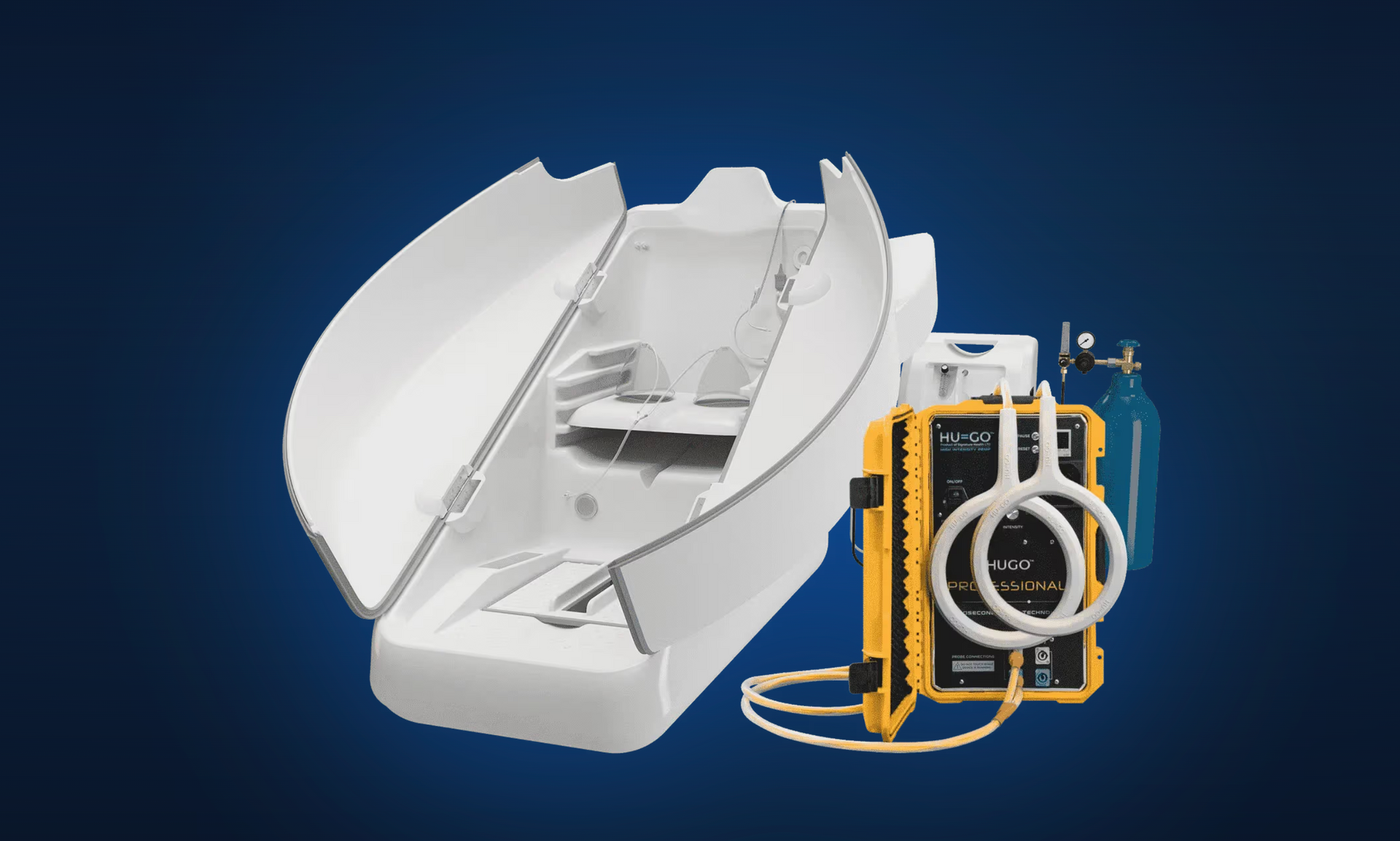
HOCATT combines ozone, infrared, PEMF, carbonic acid, and more in one 30-minute session. Learn what it is, how it works, and who it may help.
A January 2026 study in the Journal of Clinical Medicine found major ozone autohemotherapy significantly reduced inflammatory markers in psoriasis patients.

Learn how to understand your breast cancer risk, what screening tools are available, and what the science actually says about hormones and breast health.

Valley Vital Medicine offers same-day women's health appointments with Kali Boyer, FNP-C. Annual exams, hormones, perimenopause, primary care, and more.

Wondering if hormone pellet therapy is right for you? Valley Vital Medicine in Fargo answers the most common questions about EvexiPEL bioidentical pellets.

Low testosterone affects energy, mood, bone, heart health, and more. Learn what optimal levels look like and how Valley Vital Medicine helps both men and women.