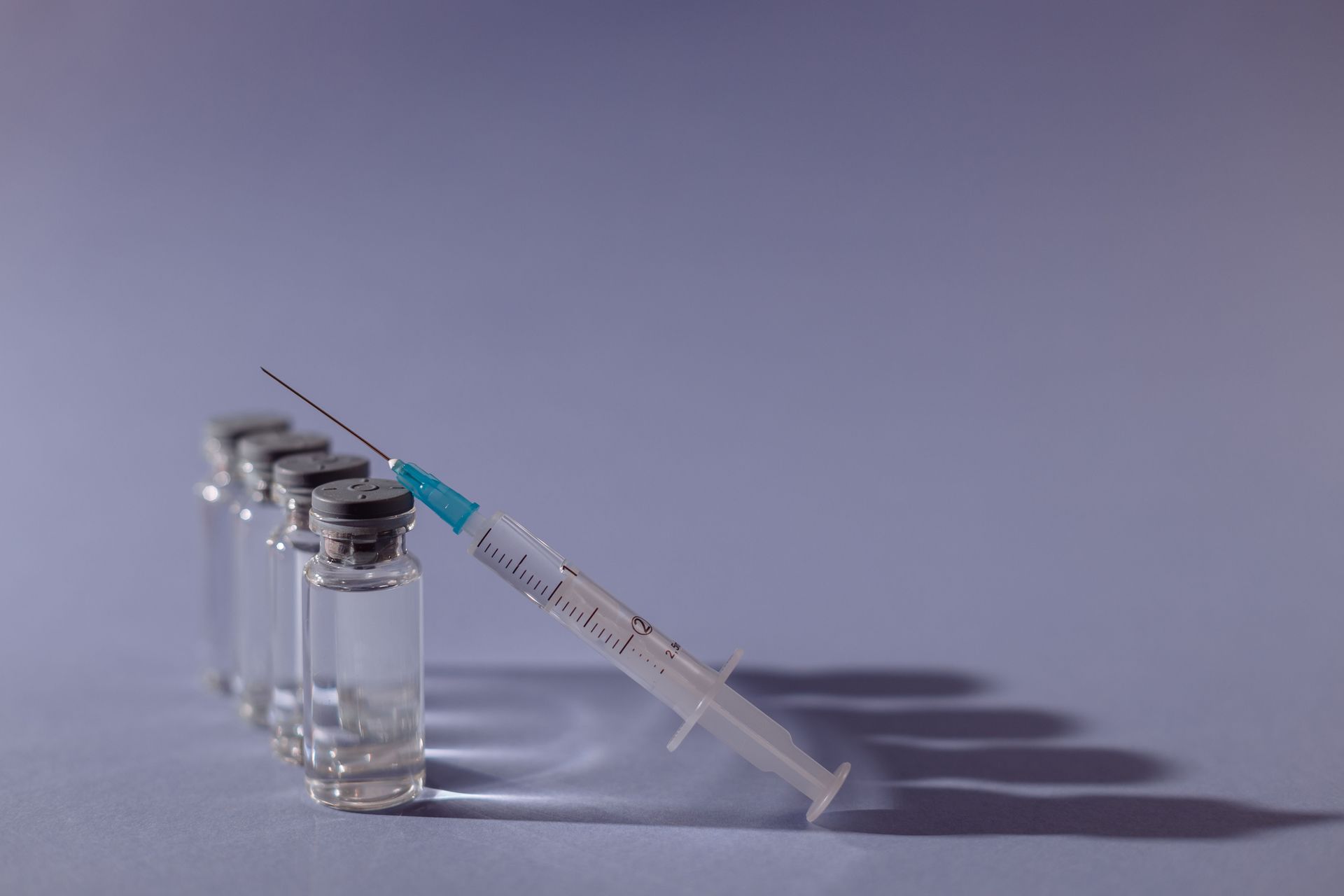
Procaine IV Therapy: A Natural Reset for Your Overloaded Nervous System


By Trevor Hausauer July 30, 2026

Chronic stress has become the default setting for most people. The constant notifications, the packed schedules, the low-grade sense that something is always wrong even when nothing specific is. Many people describe it as feeling wired and exhausted at the same time, unable to fully relax, unable to sleep deeply, unable to get through the day without pushing through fatigue.


This is not a willpower problem. It is a nervous system problem.


At Valley Vital Medicine in Fargo, ND, we work to identify and address the root causes of how people feel rather than simply managing symptoms. One of the most significant and often overlooked root causes we see across a wide range of health conditions is nervous system dysregulation. And one of the most compelling tools we have recently added to support nervous system balance is procaine IV therapy.


Understanding Nervous System Dysregulation

The autonomic nervous system has two primary modes. The sympathetic state, commonly known as fight or flight, raises heart rate, sharpens alertness, and prepares the body to respond to a threat. The parasympathetic state, known as rest and digest, slows things down, supports digestion and cellular repair, and allows for true recovery.


The human body was designed to move fluidly between these two states. In earlier times, a stressful event would trigger the sympathetic response, the threat would pass, and the body would return to a calm baseline. Today, that return is not happening nearly as reliably.


Technology, sleep deprivation, chronic health conditions, trauma, and ongoing uncertainty keep many people locked in a sympathetic dominant state for months or even years. Medically, this persistent imbalance is called dysautonomia, and it may be contributing to a wide range of symptoms that conventional care often struggles to address.


Common signs that the nervous system may be dysregulated include:

  • Anxiety, irritability, or a persistent sense of being on edge
  • Difficulty falling or staying asleep
  • Digestive irregularities such as bloating, constipation, or nausea
  • Brain fog and difficulty concentrating
  • Fatigue that does not improve with rest
  • Heart palpitations or fluctuating blood pressure
  • Temperature intolerance or exercise intolerance


These symptoms do not always point to a single diagnosis. But they often reflect a nervous system that has been in overdrive for too long.


What Is Procaine and Why Is It Being Used as IV Therapy?

Procaine is a local anesthetic that has been in medical use since 1905. Most people recognize it as Novocaine, the numbing agent used in dental procedures. What fewer people know is that procaine has a much broader range of effects on the body when administered intravenously at therapeutic doses.


Because procaine has a very short half-life and is processed out of the system within roughly 15 to 30 minutes, it was largely set aside by conventional medicine in favor of longer-acting anesthetics. In integrative and functional medicine, however, that same short action window is part of what makes it useful for therapeutic purposes. The brief window is long enough to create a meaningful cellular response without leaving the body in an altered state.


How Procaine IV Therapy May Support the Nervous System

At the cellular level, healthy nerve function depends on proper charge across the cell membrane, maintained through what is called the sodium potassium pump. Chronic stress, trauma, and inflammation can alter this membrane charge, creating a state of persistent excitability in the sympathetic nervous system. In other words, certain nerve pathways can get stuck in an activated state.


Research suggests that procaine may help interrupt this pattern by creating what some researchers describe as an irritation pause, a brief disruption of aberrant nerve signaling that allows the autonomic nervous system to recalibrate toward a more balanced state. This mechanism is similar to restarting a computer that has too many programs running at once.


Beyond nervous system reset, research has documented several additional effects of procaine when administered systemically:

  • Anti-inflammatory activity, including reduction of pro-inflammatory molecules such as TNF-alpha and IL-6
  • Antioxidant effects that may help protect cells from oxidative damage
  • Improved microcirculation and blood flow to tissues
  • Potential neuroprotective effects supporting brain and cellular health
  • Antimicrobial properties demonstrated against certain pathogens in laboratory research


It is worth noting that procaine's anti-aging applications, while historically researched by Romanian physician Dr. Ana Aslan beginning in the 1950s, remain an area where evidence is still developing and results vary. The strongest and most consistent evidence for procaine IV therapy centers on its nervous system, anti-inflammatory, and pain-related effects.


What Research Shows

A 2019 case-controlled study examined the effects of IV procaine on overall health in 56 patients over a four to six month period. Results indicated that roughly 75% of patients showed improvement across multiple positive health markers including sleep, and approximately 62% reported a meaningful reduction in negative symptoms such as anxiety, stress reactions, and low energy. Notably, these improvements were reported to persist at follow-up months after the treatment series concluded, suggesting effects at a cellular rather than purely symptomatic level.


Additional research on neural therapy using procaine injections has shown that the therapy can reduce anxiety alongside pain relief and myofascial relaxation. Early research on post-COVID dysautonomia also points to procaine-based neural therapy as a promising area for further investigation.


It is important to note that the research base for IV procaine, while promising and supported by decades of clinical use, is still growing. This therapy is offered at Valley Vital Medicine as part of a personalized, root-cause-focused approach and is not positioned as a standalone cure.


Who May Benefit from Procaine IV Therapy

Trevor Hausauer, FNP-C, FMCP-M, introduced procaine IV therapy at Valley Vital Medicine because nervous system balance has emerged as a foundational factor in how quickly and completely patients respond to other therapies. When the nervous system is dysregulated, even well-designed treatment plans can produce slower or less complete results.


Procaine IV therapy may be worth exploring for people who:

  • Experience chronic stress, anxiety, or a persistent sense of being unable to relax
  • Struggle with sleep difficulties or unrefreshing sleep
  • Are recovering from trauma, PTSD, or a significant life stressor
  • Deal with chronic pain, migraines, or fibromyalgia
  • Are working to transition off antidepressants and need nervous system support
  • Want to support healthy aging and cellular resilience
  • Are athletes or high performers looking to optimize recovery


As with any therapy, procaine IV is not appropriate for everyone. Individuals with active heart, liver, or seizure conditions, those who are pregnant or nursing, and those with known allergies to anesthetic agents ending in "caine" would require a thorough evaluation before proceeding.


What to Expect at Valley Vital Medicine

Procaine IV therapy at Valley Vital Medicine begins with a review of health history to confirm candidacy and address any questions. The infusion itself is simple: procaine is added to a saline solution and administered intravenously by trained nursing staff under clinical oversight.


The infusion typically takes between 15 and 90 minutes depending on dose and individual response. During the IV, some patients may notice a mild warmth, a brief sense of calm, or slight lightheadedness. These sensations typically resolve within 30 minutes as the procaine clears the system.


The recommended starting protocol is six infusions, given once to twice per week, with dose titration beginning conservatively and increasing based on individual response. Trevor Hausauer, FNP-C, FMCP-M reviews each patient's response throughout the process to adjust the plan as needed.


Procaine IV therapy is available as a standalone service and can also be integrated into an existing Valley Vital Medicine membership plan.


Nervous System Balance as a Foundation for Better Health

At Valley Vital Medicine, nervous system support sits at the top of the clinical roadmap because it underpins so much else. Clients who address nervous system dysregulation early in their care tend to respond better and more quickly to other interventions.


Procaine IV therapy is one part of that approach. We also offer iASSIST neurofeedback, HOCATT sauna with frequency-specific microcurrent, PEMF therapy, BrainTap, and targeted supplement support as part of a comprehensive strategy for nervous system health.


If you have been feeling wired, exhausted, or simply unable to fully recover no matter what you try, your nervous system may be the missing piece.


Call 701-532-1926 or visit www.valleyvitalmedicine.com to schedule your free discovery call and learn how procaine IV therapy and our root-cause approach can help you find balance, restore energy, and feel like yourself again.


Medical Disclaimer: The information in this article is intended for educational purposes only and does not constitute medical advice. Procaine IV therapy is not FDA-approved as a treatment for any specific condition. Always consult a qualified healthcare provider before beginning any new therapy.


References:
  1. Ghaedefri H, et al. The effect of intravenous procaine on the overall health status of patients: a case-controlled study. 2019.
  2. Prado CM, et al. Procaine and neural therapy: autonomic nervous system modulation. Neural Therapy Research Foundation. 2025.
  3. Aslan A. A new method for prophylaxis and treatment of aging with Novocain. Therapiewoche. 1956;7:14.
  4. Costea M, et al. Procaine: the controversial geroprotector candidate. PMC. 2021.
  5. Alpine Health and Wellness. Neural therapy and IV procaine: proposed benefits and mechanisms. 2025.
  6. Frontiers in Clinical Diabetes and Healthcare. Procaine anti-inflammatory and antioxidant mechanisms. 2025.

Book a call

Reserve a time to talk to us!

Insights to fuel your health journey

Sign up to get insights, trends, and more in your inbox.

By subscribing, you agree to receive email updates from Valley Vital Medicine. You can unsubscribe at any time.

SHARE THIS

Latest Posts

By Trevor Hausauer, FNP-C June 5, 2026
GLP-1 medications are everywhere right now. Semaglutide, tirzepatide, Ozempic, Wegovy. You can't scroll through social media or walk past a medspa without seeing them advertised. And for good reason. These medications can meaningfully reduce appetite, improve blood sugar control, and produce significant weight loss results that traditional dieting often fails to achieve. But there is a conversation that is not happening nearly enough: what kind of weight are people actually losing? At Valley Vital Medicine, that question is at the center of everything we do when it comes to weight loss support. Because the number on the scale does not tell the whole story, and in many cases, it is hiding a serious problem. What Are GLP-1 Medications? GLP-1 stands for glucagon-like peptide-1, a hormone naturally released from the intestines when you eat. GLP-1 receptor agonists work by mimicking that hormone, reducing appetite, slowing gastric emptying, and improving blood sugar regulation. Semaglutide (Ozempic, Wegovy) is a single GLP-1 receptor agonist. Tirzepatide (Mounjaro, Zepbound) is a dual agent, activating both GLP-1 and GIP (glucose-dependent insulinotropic polypeptide) receptors, which can further improve insulin sensitivity and fat metabolism. Retatrutide, still investigational and not yet FDA-approved, adds a glucagon receptor component that may also support a higher metabolic rate. Each of these medications works differently, and which one may be appropriate for a given person, if any, is a conversation worth having with a qualified provider who understands the full picture. The Hidden Problem: You May Be Losing the Wrong Weight Research published in Circulation found that semaglutide has been associated with lean mass comprising up to 40% of total weight loss in some studies. A 2024 systematic review and network meta-analysis found that across GLP-1 receptor agonists, lean mass loss can account for roughly 25% of total weight lost. A 2025 analysis found that tirzepatide was associated with greater lean body mass loss than semaglutide at every measured time point across a 12-month period. To put that in plain terms: if someone loses 100 pounds on a GLP-1 medication without taking steps to protect their muscle, a meaningful portion of that loss may come from lean tissue rather than fat. That matters enormously. Muscle is not just about appearance or athletic performance. Muscle is your metabolism. It is what keeps your body burning calories efficiently at rest. It supports insulin sensitivity, healthy aging, and your ability to function in daily life, including getting up from the floor, climbing stairs, and staying independent as you get older. Why This Gets Worse When the Medication Stops One of the most serious concerns with GLP-1 use is what happens after. Research has shown that stopping GLP-1 therapy without the appropriate lifestyle foundation often leads to weight regain. And if lean tissue was lost during the weight loss phase, that muscle does not automatically come back when the weight returns. The result can be a body composition that is worse than before treatment began, with more fat relative to muscle, a slower resting metabolic rate, and a harder road ahead for anyone who tries to lose weight again in the future. This is not an argument against GLP-1 medications. It is an argument for doing them right. What "Doing It Right" Actually Looks Like At Valley Vital Medicine, we do not believe in handing someone a prescription and sending them on their way. Here is what a comprehensive approach to GLP-1 support looks like. Resistance training. Exercise sends a signal to the body to hold onto muscle tissue. Without it, caloric restriction, whether from medication or diet, increases the likelihood that the body will draw on lean tissue for energy. Structured strength training, particularly movements that challenge the lower body such as squats, lunges, and leg presses, is one of the most important things a person can do while on a GLP-1 medication. Adequate protein intake. Protein is the raw material the body needs to maintain muscle. A general starting point is to multiply your ideal body weight in pounds by 0.8 to find a minimum daily gram target. This can be difficult to hit, particularly when appetite is suppressed, which is why being intentional about protein and, in some cases, using targeted amino acid support becomes especially important. Hormone optimization. Caloric restriction, muscle loss, and metabolic stress all affect hormones. Testosterone, thyroid, cortisol, and growth hormone are all directly connected to muscle maintenance, energy, recovery, and fat metabolism. Many people going through a weight loss journey have underlying hormonal imbalances that go unaddressed, making their results harder to achieve and harder to sustain. Evaluating and supporting hormone levels is a core part of what we do at Valley Vital Medicine. Body composition tracking. The scale only tells you how much you weigh. It does not tell you what you are made of. We use InBody composition scanning to measure muscle mass, fat mass, hydration, and visceral fat, the fat that surrounds internal organs and raises cardiovascular risk. Tracking body composition during a weight loss program, ideally every few weeks, is the only way to know whether a person is losing fat, losing muscle, or both. Thoughtful titration. Conventional GLP-1 protocols often push patients to maximum doses as quickly as possible. At Valley Vital Medicine, we take a different approach. Starting at lower doses and increasing only when needed can reduce side effects significantly and give the body more room to adapt in a way that supports rather than undermines overall health. The Goal Is Not Just to Weigh Less Weight loss and body composition optimization are not the same thing. Someone can lose significant weight and end up metabolically worse off if that loss comes at the expense of their muscle, their hormones, and their metabolic foundation. The goal we work toward with every patient is sustainable fat loss with preserved lean tissue, so that when the work is done, the body that remains is stronger, healthier, and capable of maintaining those results without being dependent on medication indefinitely. If you are currently on a GLP-1 medication, considering one, or have come off one and are concerned about where things stand, we would love to have a conversation. Our free discovery calls are a no-pressure way to learn more about what comprehensive weight loss support looks like. Call 701-532-1926 or visit www.valleyvitalmedicine.com/call to schedule your free discovery call and learn how a functional medicine approach to weight loss can help you protect your muscle, your metabolism, and your long-term health. Medical Disclaimer: The information in this article is intended for educational purposes only and does not constitute medical advice. Always consult a qualified healthcare provider before beginning or modifying any weight loss program or medication regimen. References: Wilding JPH, et al. Once-weekly semaglutide in adults with overweight or obesity. N Engl J Med. 2021;384(11):989-1002. Jastreboff AM, et al. Tirzepatide once weekly for the treatment of obesity. N Engl J Med. 2022;387(3):205-216. Prado CM, et al. Muscle and GLP-1 receptor agonists: Adaptive or maladaptive response to weight loss? Circulation. 2024. Bikou A, et al. Effect of GLP-1 receptor agonists and co-agonists on body composition: Systematic review and network meta-analysis. Metabolism. 2024. Chavez AM, et al. Nutrition support whilst on GLP-1 based therapy. Curr Opin Clin Nutr Metab Care. 2025;28(4):351-357. Frontiers in Clinical Diabetes and Healthcare. GLP-1 agonists and exercise: the future of lifestyle prioritization. 2025.
By Trevor Hausauer April 26, 2026
A Personalized Approach to Cancer Detection and Monitoring
By Trevor Hausauer, FNP-C December 19, 2025
Whether you’re an athlete, weekend warrior, busy professional, or simply want to feel strong and sharp again - this session will give you clear, actionable steps to optimize your health and performance.

By Trevor Hausauer, FNP-C October 13, 2025
Precision Insights for Cancer Therapy
By Trevor Hausauer, FNP-C October 6, 2025
Interview with HydroHeal CEO
By Trevor Hausauer, FNP-C September 26, 2025
with Trevor Hausauer FNP-C and Dr. Yoshi Rahm