Ozone Therapy Explained: History, Methods, Research & Safety
By Trevor Hausauer • November 17, 2026
Ozone therapy sounds like a contradiction. Ozone is the gas behind smog warnings, so why would a clinic use it on purpose? The answer comes down to dose, delivery, and honesty about what the science supports. At Valley Vital Medicine in Fargo, Trevor Hausauer, FNP-C, offers medical ozone therapy with a screening-first approach and a clear view of both its promise and its limits. Here is what to know before you consider it.
What Is Medical Ozone Therapy?
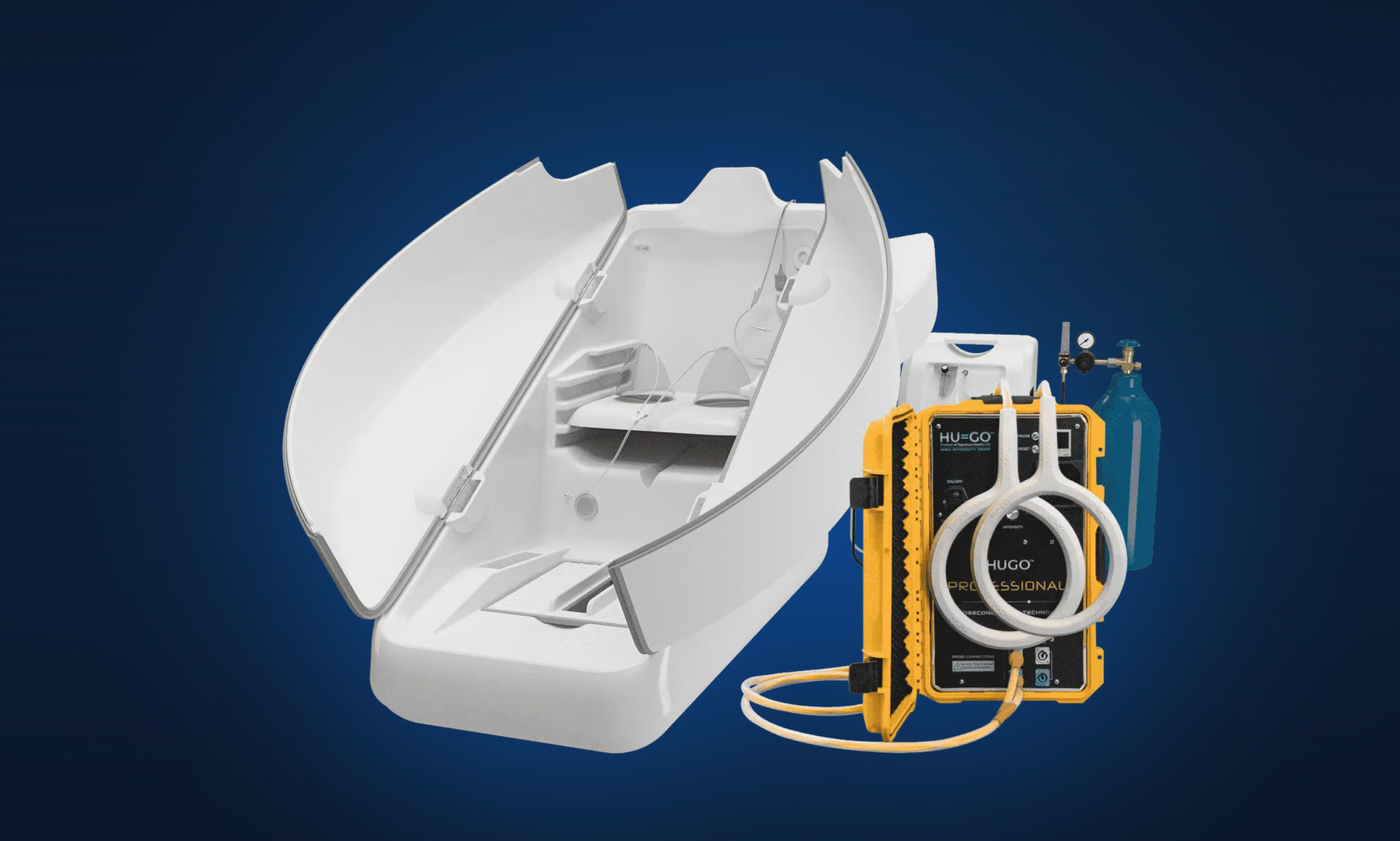
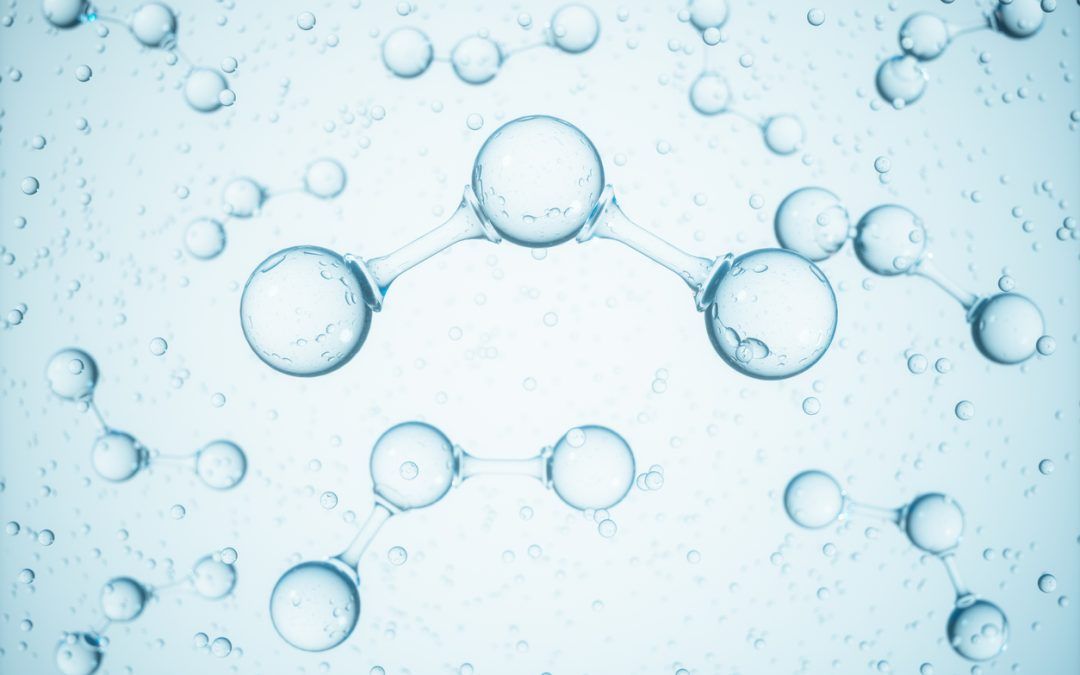
Ozone (O3) is a molecule made of three oxygen atoms. Medical ozone is not the pollutant in the air. It is produced on demand by a medical oxygen generator that passes pure oxygen through an electrical field, creating a precise mixture of oxygen and ozone. Ozone is very unstable, with a half-life of roughly 30 minutes, so it is made fresh for each treatment.
Ozone therapy has been used in medicine for about a century. One historical account describes its use in treating wounds during World War I. The modern clinical conversation is shaped heavily by Italian researcher Velio Bocci, who spent decades studying how ozone interacts with blood. [1]
How Might Ozone Work in the Body?
The leading explanation is a concept called oxidative hormesis. In simple terms, a small, controlled amount of oxidative stress may prompt the body to turn on its own defenses, much like exercise stresses muscle so it grows stronger. Researchers describe this as an inverted-U dose response. Too little may do nothing, the right amount may be helpful, and too much can cause harm. That is why precise dosing is the foundation of safe ozone therapy. [2]
One pathway often discussed is Nrf2, which helps regulate the body’s antioxidant response. Reviews also describe possible effects on inflammatory markers such as CRP and IL-6, along with changes in immune signaling. [3] These are mechanisms studied in lab and clinical settings, and they do not guarantee a specific result for any individual.
Three Ways Ozone Can Be Delivered
Major autohemotherapy (MAH). About 60 mL of blood is drawn, mixed with a measured amount of ozone and oxygen, and returned through the same IV. This is the most widely studied systemic method and is the one most research refers to. [4]
High-dose ozone. This uses a larger volume, roughly 330 mL of blood, with a larger amount of ozone gas. Because the dose is higher, screening and careful monitoring matter even more.
EBOO (extracorporeal blood oxygenation and ozonation). Two IVs are placed. Blood leaves one arm, passes through a filter that acts as a diffuser for the ozone and oxygen mixture, and returns through the other arm. Sessions run about 50 minutes, and a 2 hour appointment is scheduled. Because EBOO treats a much larger volume of blood than MAH, it is often described as a stronger option. The technique was developed in Italy by Bocci’s group. [5]
Valley Vital Medicine also offers ultraviolet blood irradiation (UBI) as an add-on to ozone for patients who want to combine approaches. One thing the clinic does not offer is direct IV ozone gas, in line with the standards of the American Academy of Ozonotherapy (AAOT), of which the clinic has been a member since 2019. The Madrid Declaration on Ozone Therapy, an international consensus document that has been revised periodically (editions in 2010, 2015, and 2020, with a fourth edition reported in 2025), also guides safe practice. [6]
What Does the Research Actually Show?
This is where honesty matters most. Ozone therapy has real published research, but much of it is small, early, or observational.
A few examples:
- Long COVID. A 2024 pilot randomized controlled trial of 73 patients with post-acute COVID-19 symptoms compared MAH plus conventional care to conventional care alone. About 71% of the ozone group reached the study’s definition of response (a 50% or greater drop in symptom score), compared with 45% of the comparison group. Symptom scores, walking distance, and some lung measures also improved more in the ozone group. This was a small pilot, so larger trials are needed. [7]
- Peripheral artery disease. In a 2005 controlled trial of 28 patients, EBOO outperformed intravenous prostacyclin for healing skin lesions, though blood flow in the legs did not measurably change. [8] Critics point out that EBOO research is still limited to small studies of this kind and note that its broader wellness claims lack strong support. [9]
- Psoriasis and immune conditions. Early studies and reviews suggest possible benefits for inflammatory and immune-related conditions, but results vary and designs are often limited. [3]
In clinical practice, some patients report more energy and better recovery after ozone sessions. Experience like this is valuable context, but it is not the same as controlled research, and results vary from person to person. Responder rates quoted in clinics, and the added benefit of pairing UBI with ozone, are areas where published evidence is still limited.
What About FDA Status and Sports Rules?
Transparency here is important. Under federal regulation 21 CFR 801.415, the FDA states that ozone is a toxic gas with no known useful medical application in specific, adjunctive, or preventive therapy. [10] Ozone therapy and UBI are not FDA-approved to treat any disease, and Valley Vital Medicine does not claim they are. Many countries, including Germany, Italy, Spain, and Russia, use medical ozone in clinical practice, which is part of why the topic remains debated.
Competitive athletes should also know that the World Anti-Doping Agency prohibits intravascular manipulation of blood by physical or chemical means. [11] Ozone blood treatments may fall under that rule, so athletes subject to testing should check with their governing body before booking.
Safety, Screening, and Who Should Avoid It
A careful screening process is part of every treatment plan at Valley Vital Medicine. One key test is for G6PD deficiency, an inherited enzyme condition. Red blood cells in people with G6PD deficiency are more vulnerable to oxidative stress, and ozone exposure can trigger red blood cell breakdown (hemolysis). It is widely listed as a contraindication. [12]
Other situations that call for caution or may rule ozone out include pregnancy, certain bleeding or clotting concerns, uncontrolled thyroid conditions, and some medications. Your provider will review your full history before recommending anything. Reported side effects in the literature are usually mild, such as fatigue or lightheadedness, but rare serious events have been described, which is why dose control, trained staff, and proper equipment matter. [12]
Is Ozone Therapy Right for You?
For some people exploring options for chronic inflammation, fatigue, recovery, or long-standing symptoms that have not responded to standard care, ozone therapy may be a reasonable adjunct to discuss. For others, it will not be appropriate. The best first step is a conversation about your goals, your health history, and the real strengths and limits of the evidence.
Talk With Our Fargo Team
Not sure whether ozone, EBOO, or another therapy fits your situation? Our certified health coach, Lori Strand, offers free discovery calls to answer your questions and help you decide on next steps.
Book yours at valleyvitalmedicine.com/contact-us or call 701-532-1926.
Valley Vital Medicine | 3540 38th Ave S, Suite G, Fargo, ND 58104 | Mon to Thurs, 8am to 5pm
Medical Disclaimer: This content is for educational purposes only and is not medical advice. Ozone therapy and ultraviolet blood irradiation are not FDA-approved to diagnose, treat, cure, or prevent any disease. Individual results vary, and treatment decisions should be made with a qualified healthcare provider after a full evaluation.
References
- Bocci V, Zanardi I, Michaeli D, Travagli V. Mechanisms of action and chemical-biological interactions between ozone and body compartments: a critical appraisal of the different administration routes. Curr Drug Ther. 2009.
- Bocci V, et al. Ozone as a pro-drug and the therapeutic window. J Transl Med. 2011;9:66.
- Ozone therapy and immunomodulation: a narrative review. Curr Issues Mol Biol. 2025;47(12):1016. doi:10.3390/cimb47121016
- Viebahn-Hänsler R, Leon-Fernandez OS, Fahmy Z. Systemic ozone applications, major autohemotherapy and rectal insufflation, evaluated according to the international classification of evidence-based medicine. J Ozone Ther. 2019.
- Bocci V, Zanardi I, Travagli V, Di Paolo N. Oxygenation-ozonation of blood during extracorporeal circulation: in vitro efficiency of a new gas exchange device. Artif Organs. 2007;31(9):743-748.
- International Scientific Committee of Ozone Therapy (ISCO3). Madrid Declaration on Ozone Therapy, 3rd ed. 2020.
- A pilot randomized controlled trial of major ozone autohemotherapy for patients with post-acute sequelae of COVID-19. 2024.
- Di Paolo N, Bocci V, et al. Extracorporeal blood oxygenation and ozonation (EBOO): a controlled trial in patients with peripheral artery disease. Int J Artif Organs. 2005;28(10):1039-1050.
- Science-Based Medicine. Extracorporeal blood oxygenation and ozonation. December 10, 2025.
- U.S. Code of Federal Regulations, Title 21, Section 801.415: Maximum acceptable level of ozone.
- World Anti-Doping Agency. Prohibited List, Method M1: Manipulation of blood and blood components (2026).
- Hidalgo-Tallón FJ, et al. Updated review on ozone therapy in pain medicine; Bocci V. The potential toxicity of ozone: side effects and contraindications of ozonetherapy.
Insights to fuel your health journey
Sign up to get insights, trends, and more in your inbox.
By subscribing, you agree to receive email updates from Valley Vital Medicine. You can unsubscribe at any time.
SHARE THIS
Latest Posts